The architecture of staged realities.
(re) building Disney.
Arc en rêve from 28 03 – 06 10 24. Bordeaux. France.
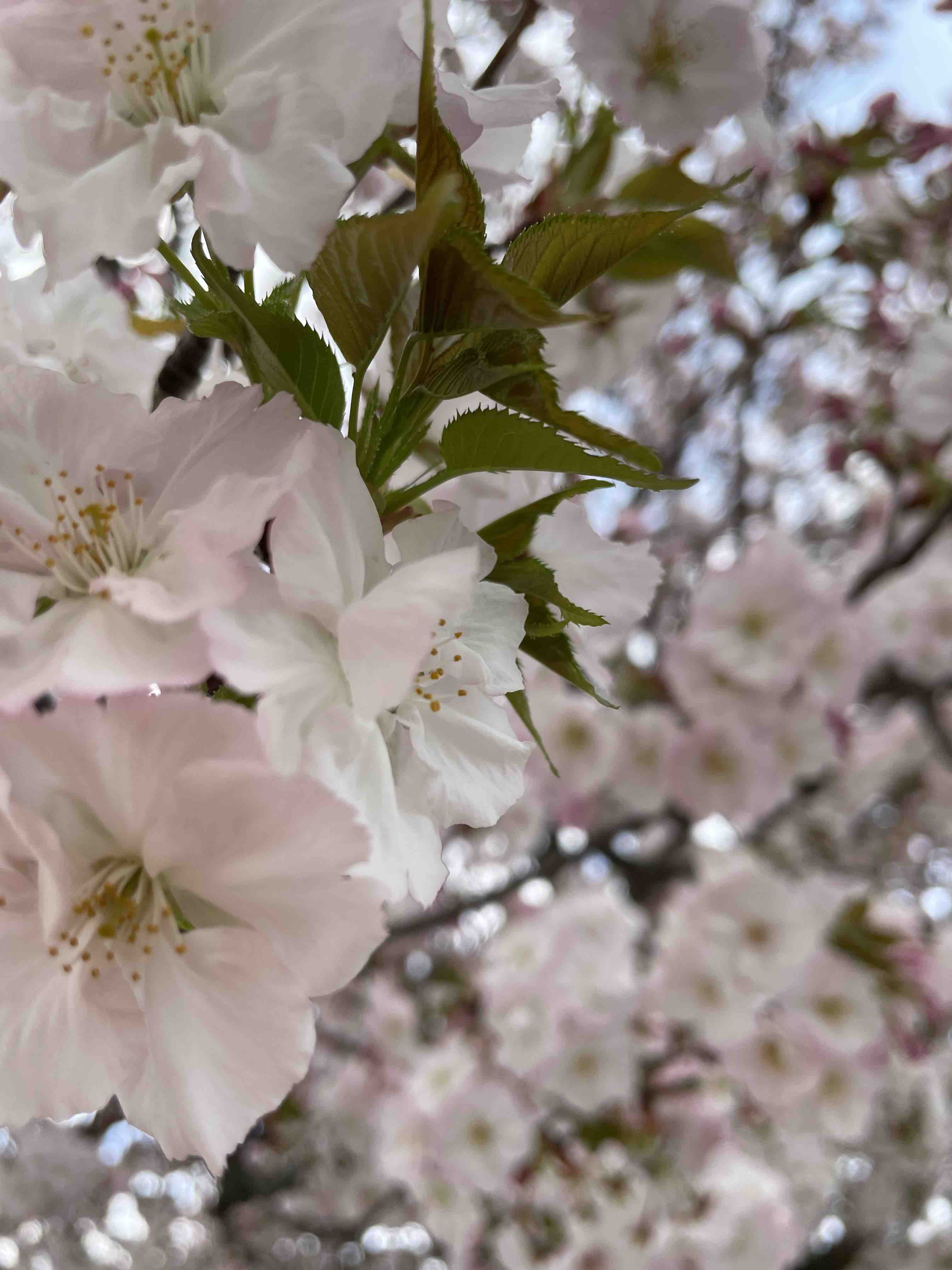
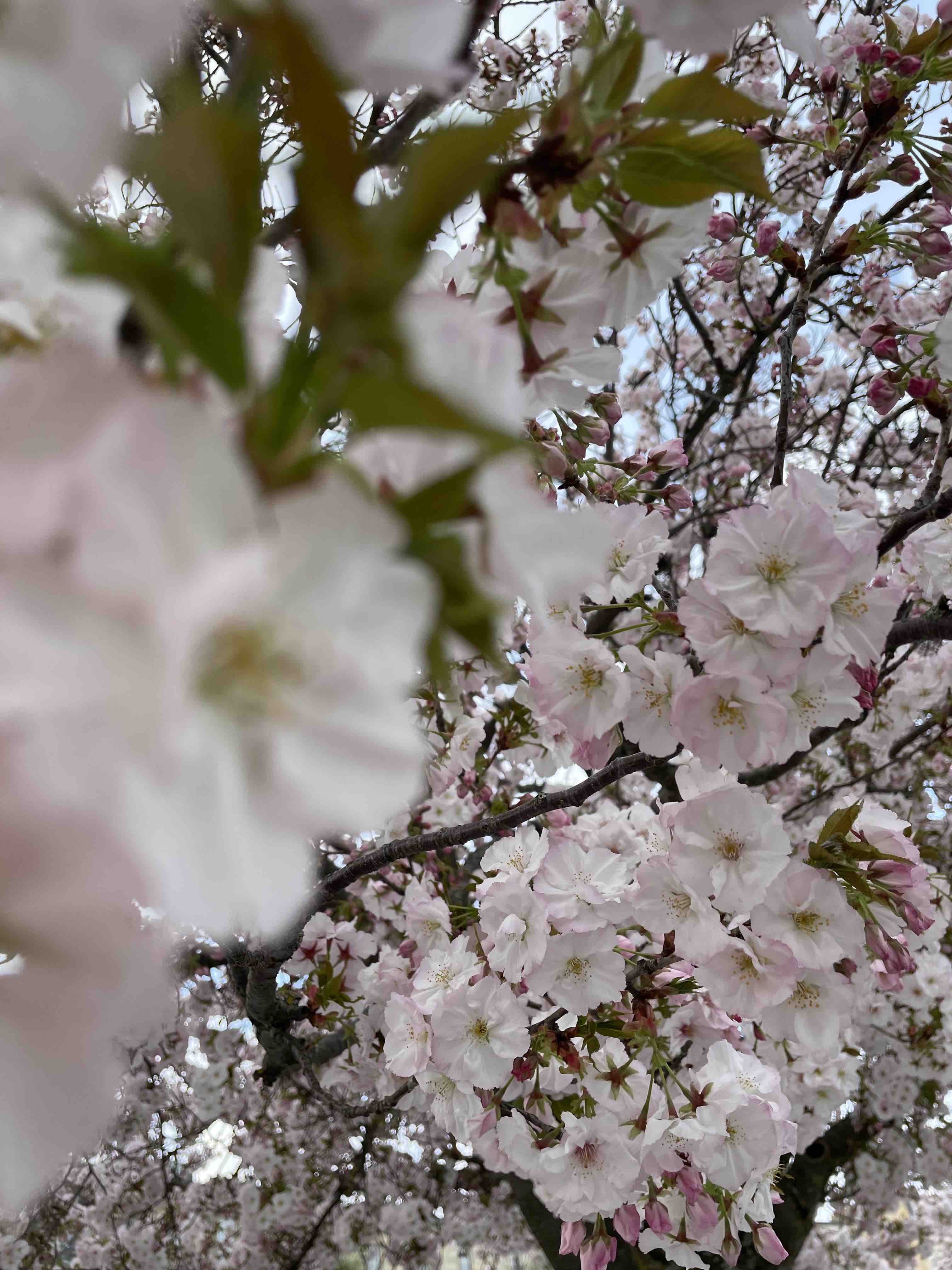
In between showers, after paying our respects to the cherry blossom trees on the Quai des Chartrons, the season is in full swing on the 28 of March, with the inauguration of an exhibition that was due to take place last year.
« All you want to know about Disney !”
As we awaited the programme, suspense and surprise were the order of the day, because what could we expect from an exhibition on Disney at Arc en Rêve in the Lainé warehouses and their distinguished selectivity?
Wiped clean by the rain, we took our seats in the conference room, where the talk was to be given before the exhibition.
eThe curator of « The architecture of staged realities: (re) constructing Disney », Saskia van Stein, will then delight us with her account, the subject of research into the Disney archives, linking the history of graphic art, architecture and design from the 1920s to the 21st century to the contemporary future. Her research takes in everything from Walt’s childhood to his near-dissolution, from body to spirit, embodied in his single signature, an emblem of almost spiritual power that has been globalised, where all the parameters of a visual and ideological charter, from symbols to reputation and influence, still trickle down to the subconscious today.
The foundation of a career diluted between his private life and the illustrious career of an entrepreneur grappling with the dramas of the century and buoyed by post-war technological advances. The progressive ideology of a fantasy-generating modernism, put into images in the productions of the dream factory, are here sifted through the sieve of modern criticism, which points out the imbalances in terms of representativeness, exclusion and the biases of the other shadows of the machine of the magic kingdom and its devouring demon of marketing.
Pastry for this particuliar cake was thick, due to the sheer size of the subject, and even when kneaded, it was impossible to thin it out enough to make a delicious puff pastry with a light pastry base, a fairy cake…
The implications of responsibility for the patterns created by Disney Inc, for the productions that defined the entertainment factory, will nourish and impose themselves on the minds of the 20th and 21st centuries. Saskia van Stein brings us the elements, or rather the profusion of elements and their construction, with elegance and warmth, in a veritable psychoanalysis of the Walt Disney patient.
The story of Walt the enchanter, illustrated from the main street of the Middle-West, where as a little boy, bullied by a strict and insensitive father, he created his first cell of benevolence and protection with his brother Roy. From then on, this cell formed an alliance that would last until 1966, after Walt’s death, when Roy took over the reins as head of the Magic Kingdom, which had become a successful company whose hegemony was challenged for its ideological bias towards education and entertainment.
The research and influences are explained and linked by a wide-ranging survey, throughout the mass of Disney studio creations that would infuse and spread following the early years. From the insane bets made by the enthusiastic entrepreneur who, during the war, picked up pastiches and hired a little actress to dance in a talking film with flowers and trees, to the production of a feature film about the fate of a snow-white princess and dwarfs, based on a dark and forgotten tale from European literature, so many aesthetic bets in the hands of an enthusiastic gambler who specialised in mise en abime as a poker move.
Disney, the man, also acted as a catalyst for the inventions of a necessary cutting-edge technology that the studios would develop for the fluidity of animation and the quality of perspective of its film sets, among other things.
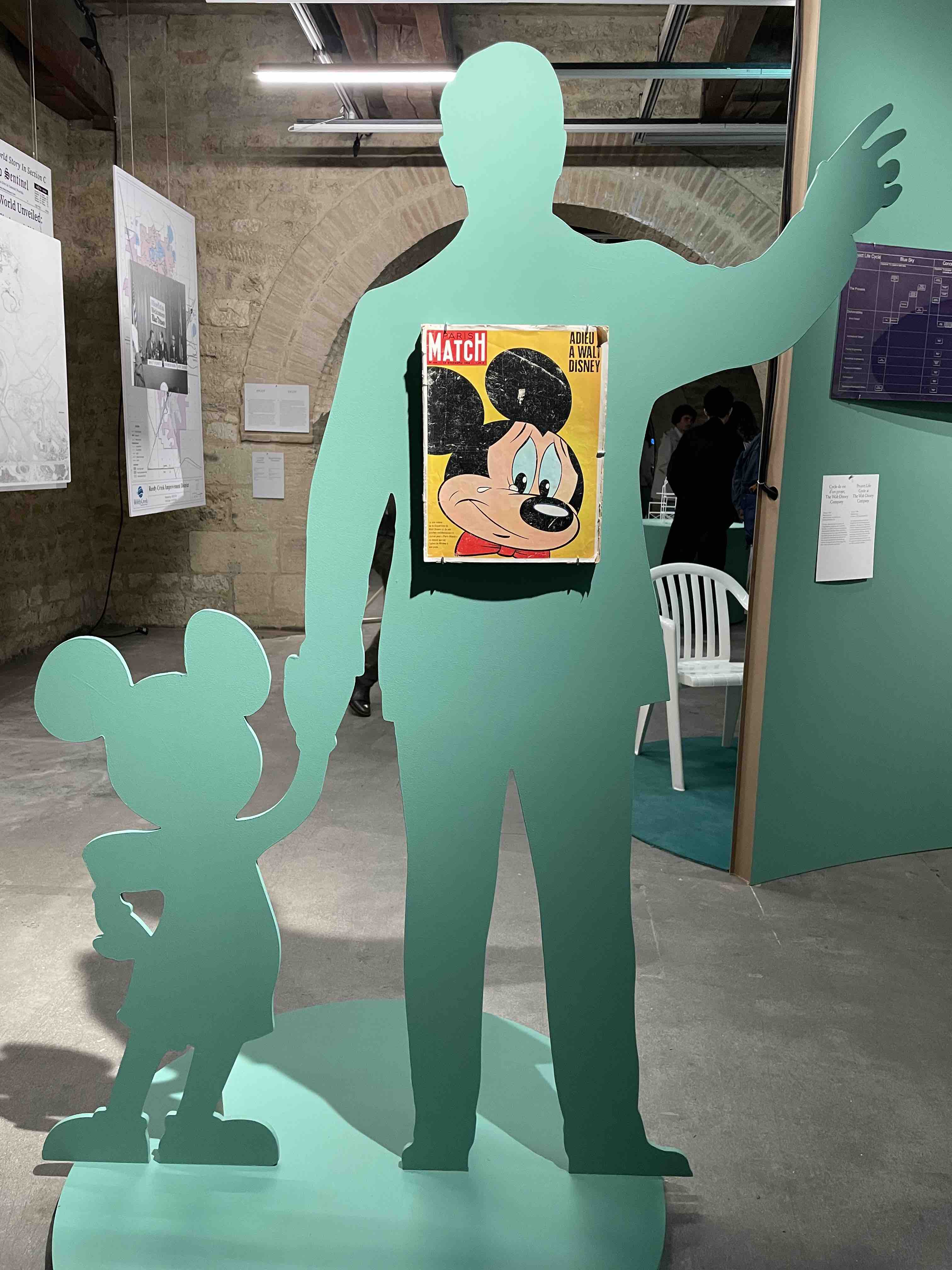
The exhibition is richly presented, ranging from the influence of European architects on Disney to Disney’s influence on the architecture of entertainment.
In the manner of an inverted mirror (the Queen’s mirror, Rococo, etc.), the staging of the exhibition is composed as much by the raw material of the studio employees, as by the cartoon characters, when they are made available to the propaganda of the Second World War, animating the fund-raising campaigns for the war effort. Uncle Walt made them take on heavy responsibilities, with his characters becoming both ferocious and comic combatants. A dark side that they would explore in the psychology of the productions of the 60s and 70s, as much as Goofy in Goofy’s Freway Trouble (1965). Disney’s embodiment of evil was grandiose in nature, and the villains of the productions were never less brilliant than the heroes with a thousand virtues of the productions of the Magic Kingdom.
The studio, his child, his creature, will become an enemy in its own right the day the social movements of the workers’ unions compare the disparities in income between them and point to Uncle Walt’s stinginess in the distribution of wages.
Walt was no stranger to self-criticism, but faced with the virulence of this crisis, his reaction was of a reluctant child, and that brought him to the verge of a new nervous breakdown. The first, in 1927, had given him the impetus to create the character of Mortimer, renamed Mickey by his wife on the train who brought them back from New York accompanied by Ub Iwerks where his distributor Charles Mintz stole the exploitation rights to Oswald the Lucky Rabbit
, the first cartoon character to have no career.
This new depression, almost 30 years later, confined him to his garden where he created a network of railway tracks and a train on which he perched, a mechanical mount created for his pleasure and the concern of his family. Thought to be heading for the asylum, he was preparing his next project, as a reaction to adversity and the studios’ poor operating accounts. Since cinema-goers seemed to be abandoning the magic screen, he would open the gates of the magic kingdom to them: Disneyland.
From this point onwards, Saskia’s lecture, between the constructions of the Kingdom, its plans, all the creations go through a phase of analysis in re-construction: from the place of women, the actors of black-American characters, the concerns for the injustice of the times take the form of an indictment that breaks the course of the narrative, a river of meaning with thwarted currents that leads and carries away the whole culture of globalised entertainment towards examinations by the times.
The quality of the exhibition fights against mawkishness and conformism, and the feeling of the fan or admirer is shaken and then suffers from a confusion of meanings. When it comes to the question of Walt’s denunciation activities as an instrument of revenge against the studio’s unionised workers who led the strikes of 1941, or the disproportionate political influence of the « Kingdom » (Disneyland’s alternative name), a jewel in the prism of communication linking futurism to a stereotypical vision for conformist citizen generations, the burden and the faults of the magician who has meanwhile become the great organiser of television time, with his Disney chanel and these programmes staging an idealised wild life, were denounced as the tap for every hour in order to keep children quiet and educate them into ardent consumers.

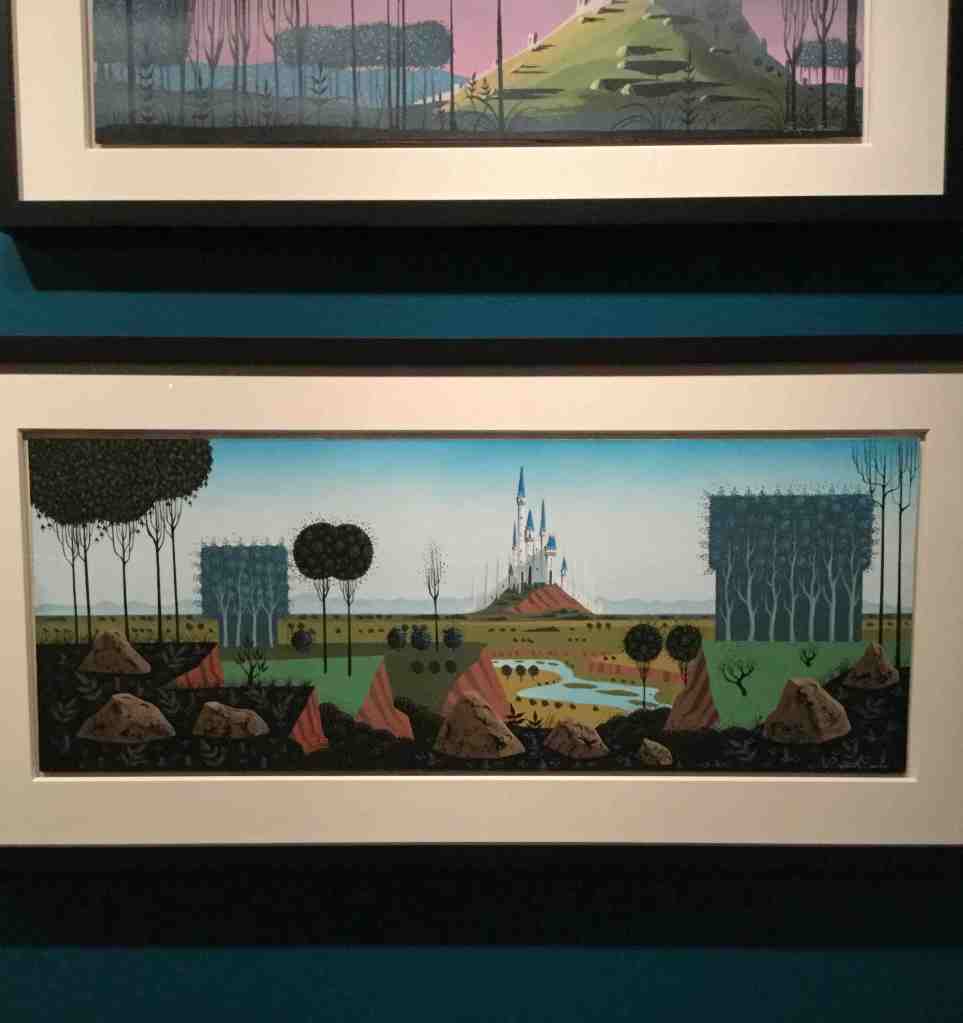
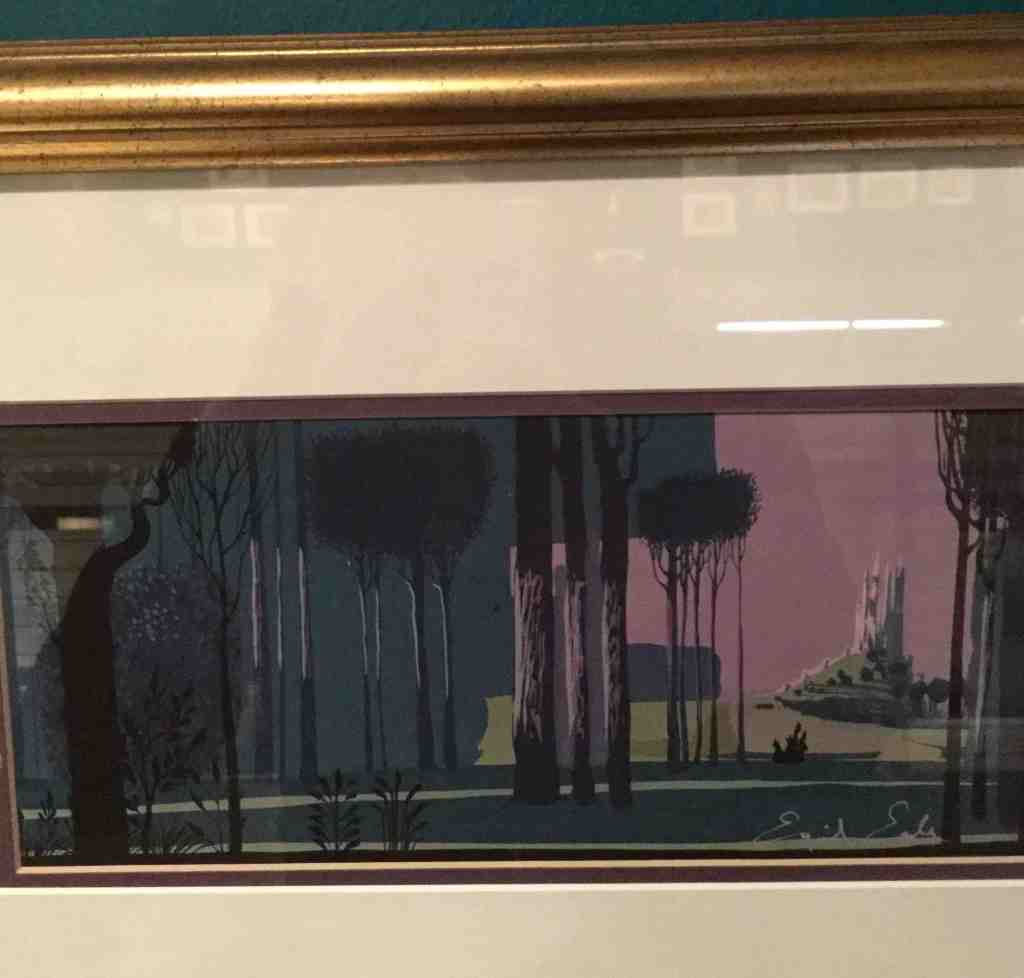
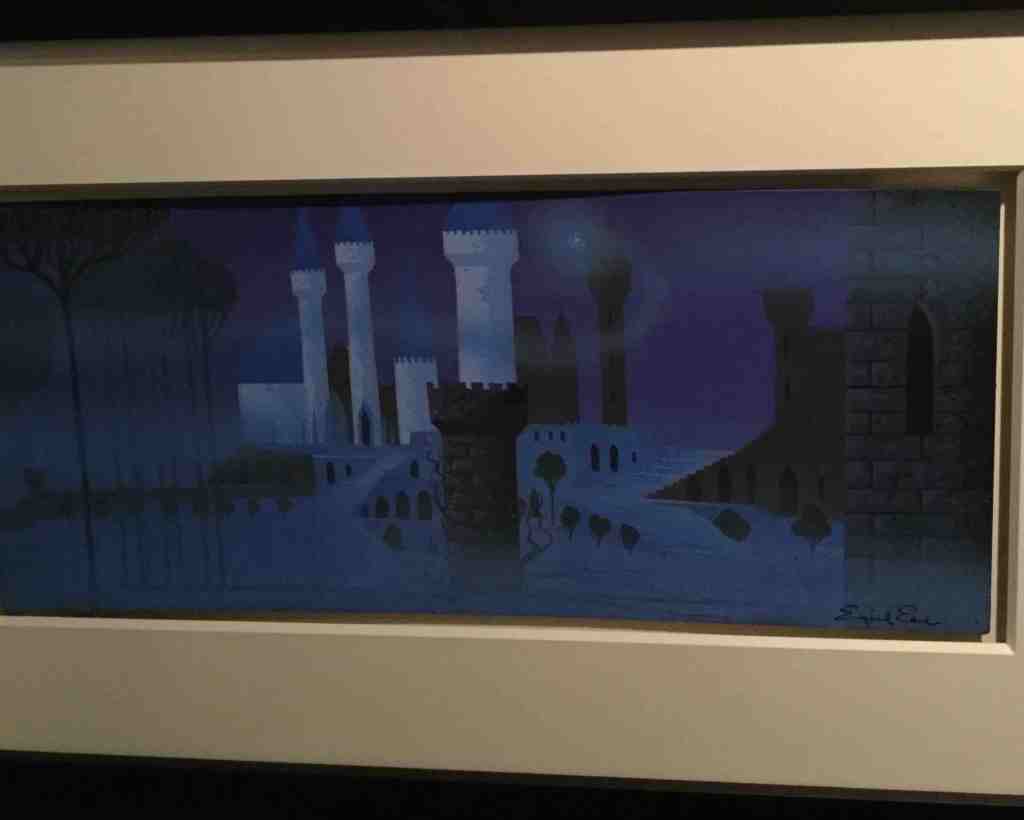
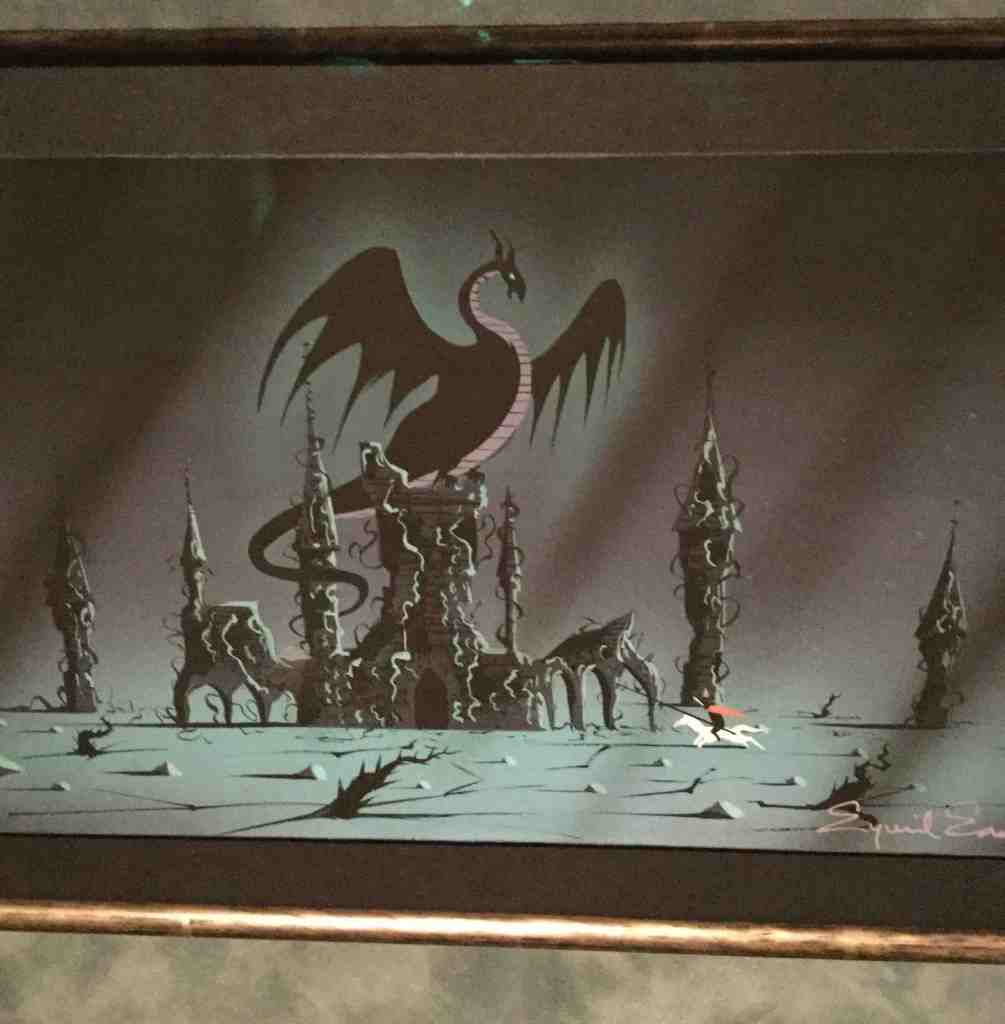
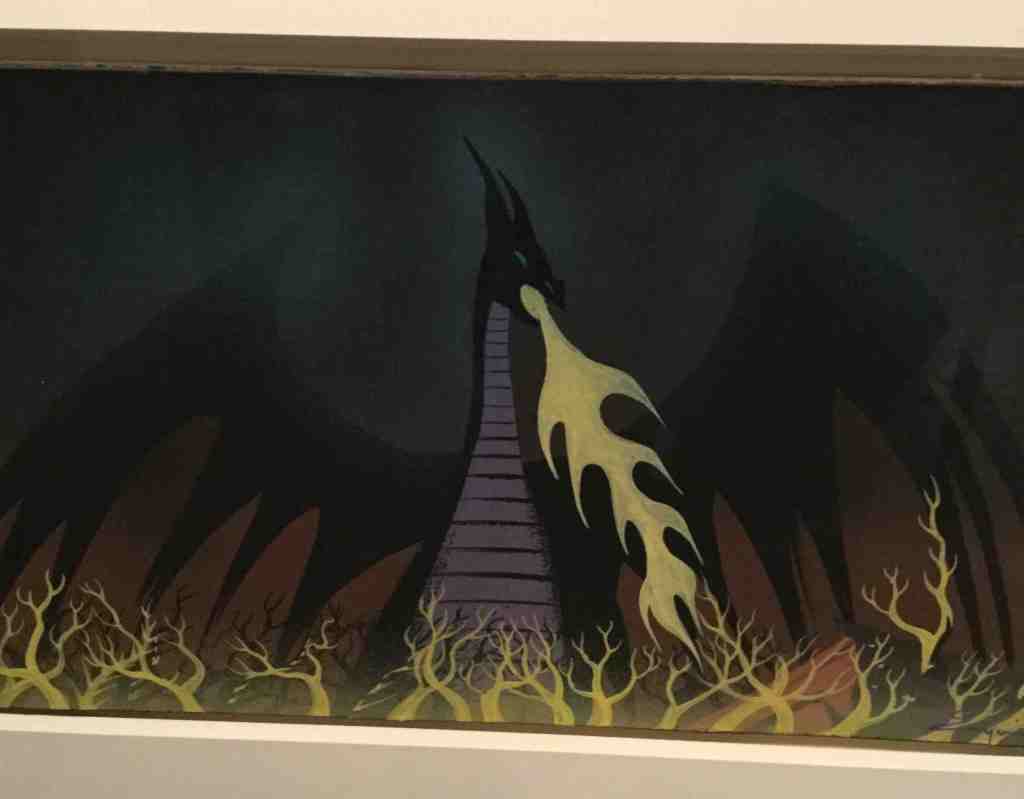
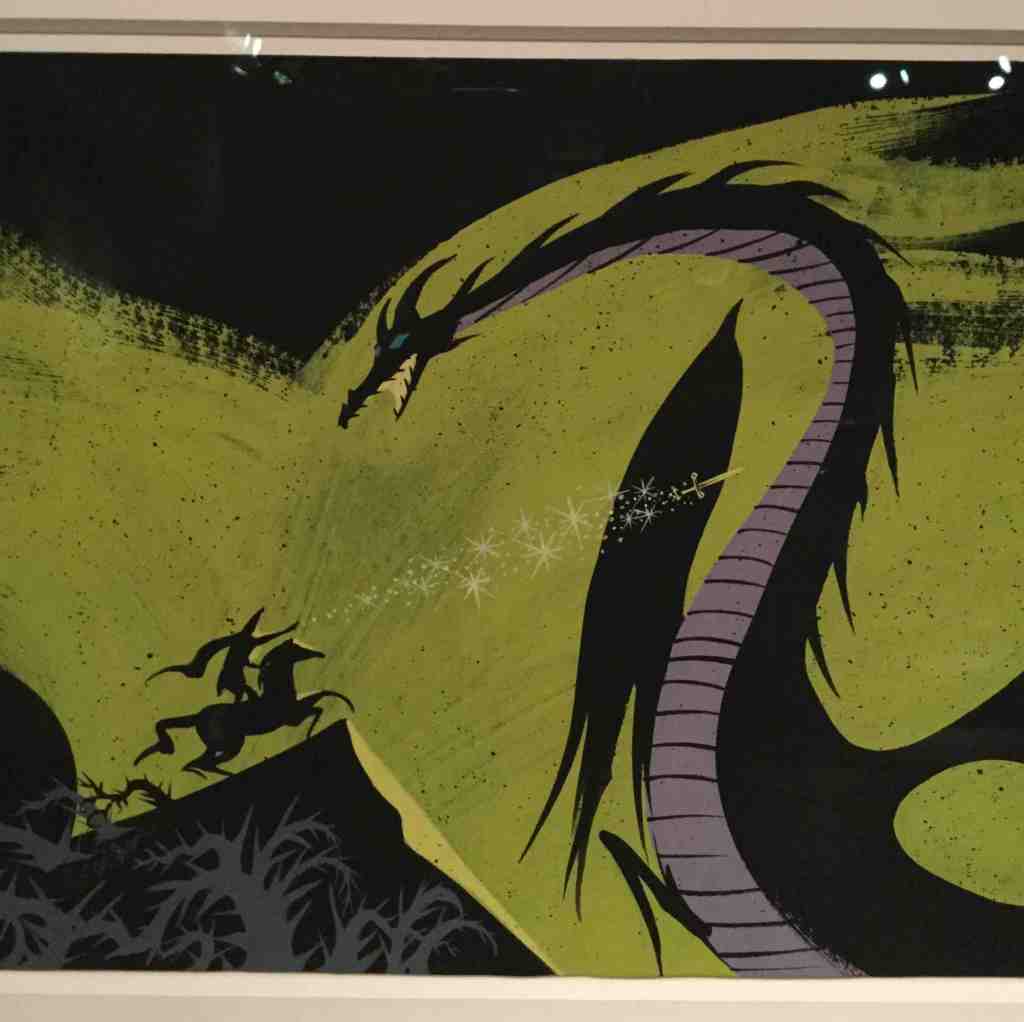
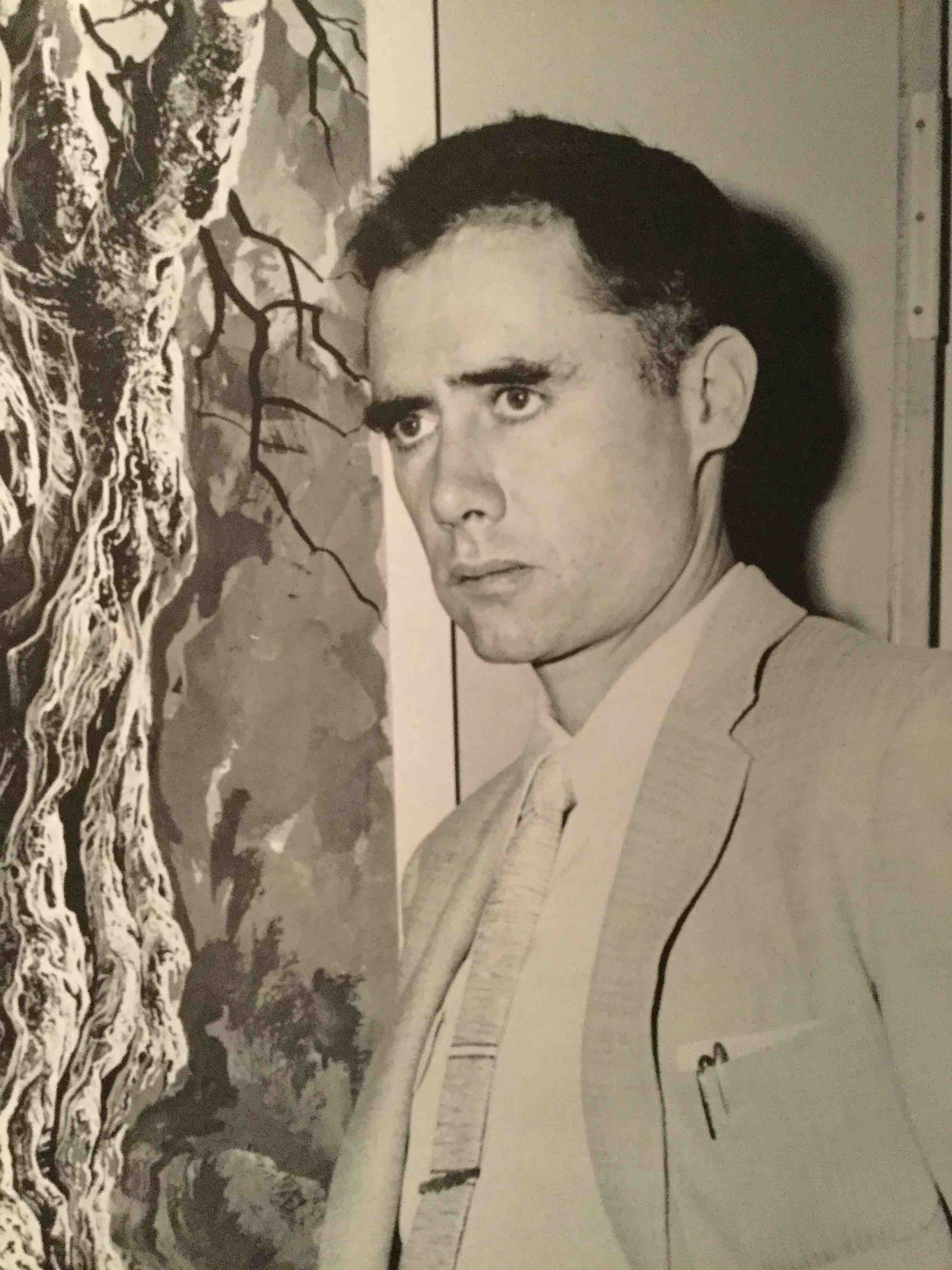
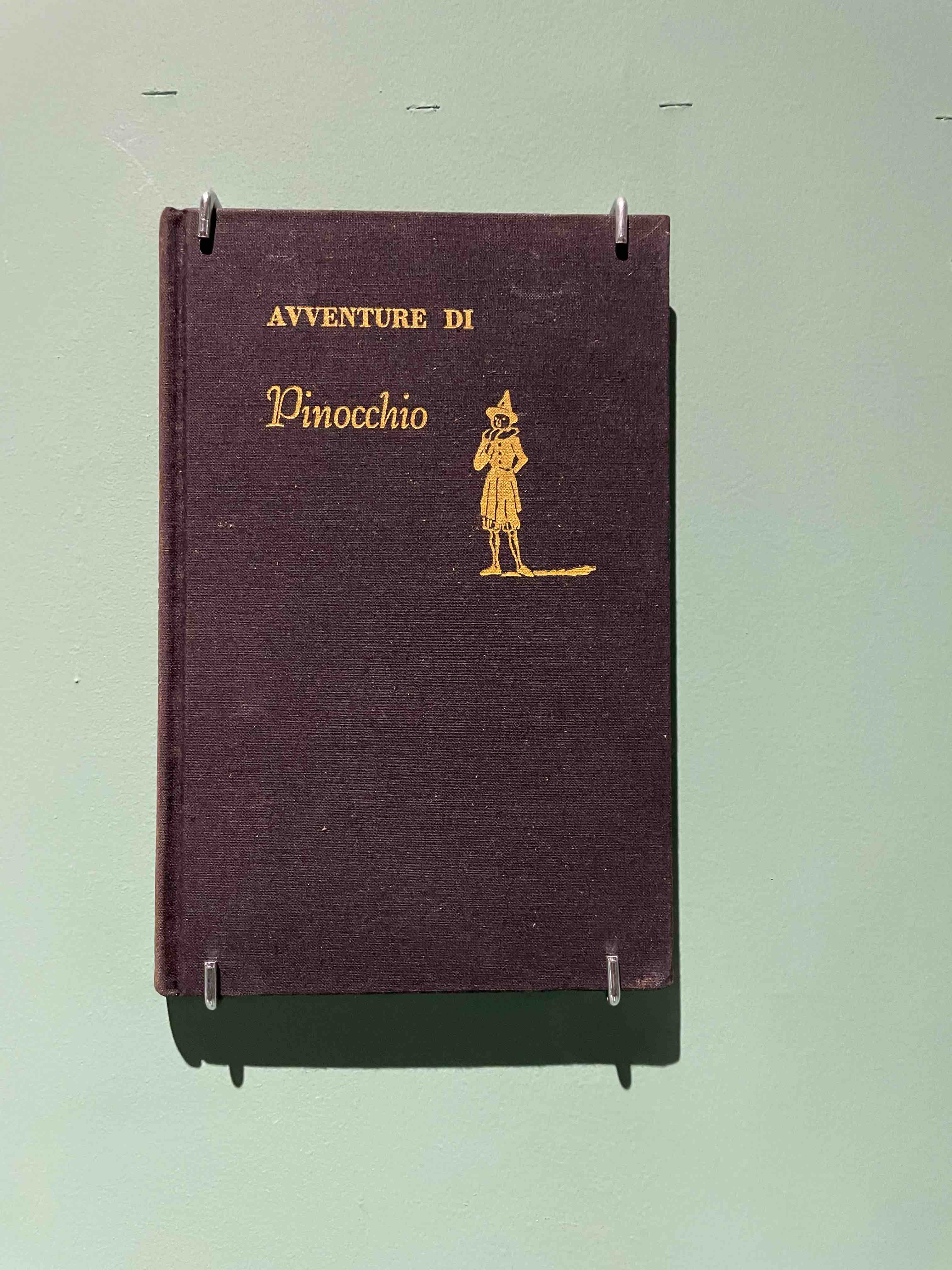
But let’s visit this exhibition instead, which is a real treasure trove, the magnifying glass effect linking the different parts by round, broken, folded entries in the walls to invisible walls, where it will be useful to read the labels to find out why, and even if many have abandoned their Mickey bob on the beaches of the club closed for the winter, the whole will fascinate the undecided.
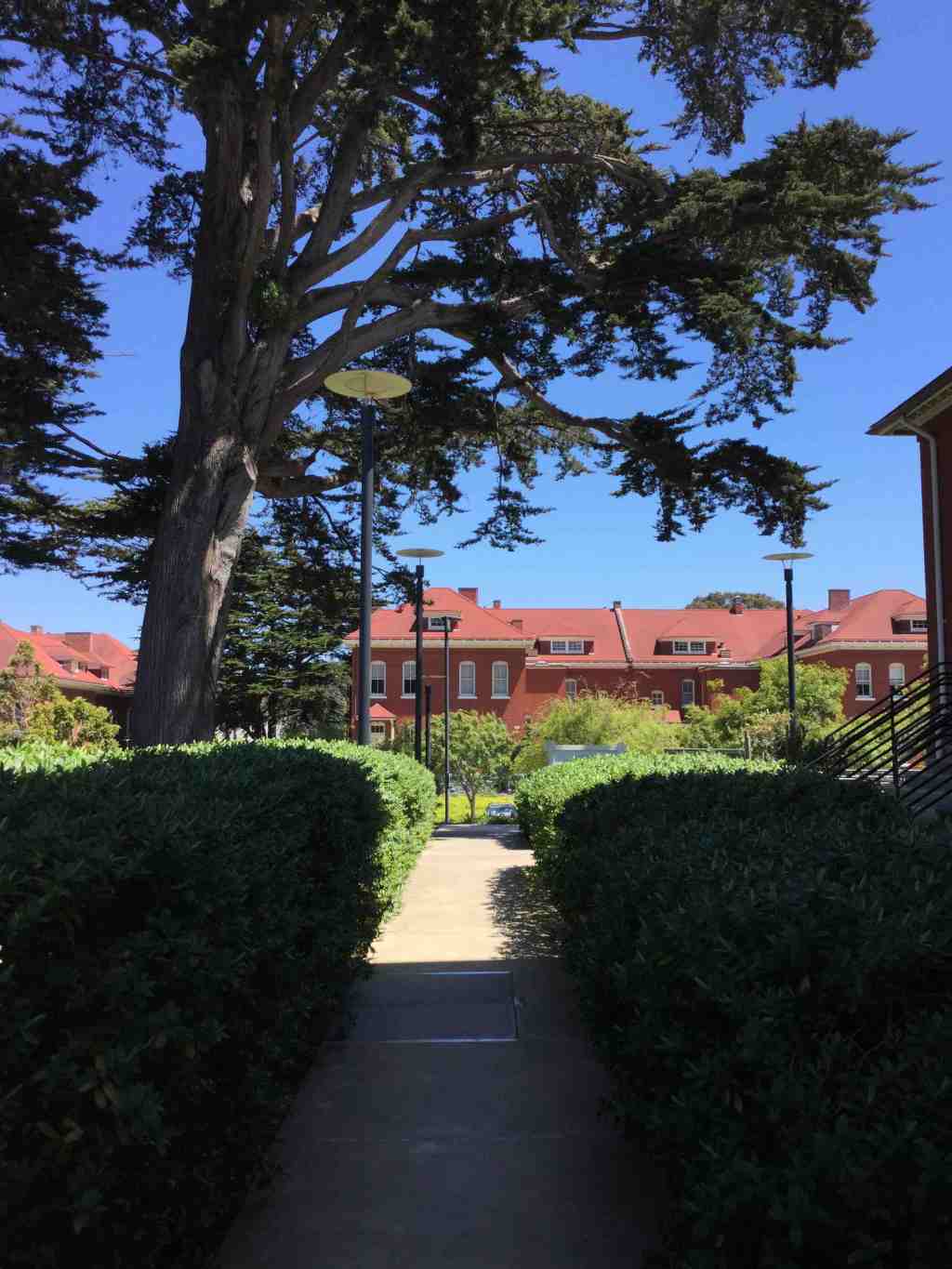
The exhibition would also be a wonderful proposition to share with the Walt Disney Family Museum in San Francisco, private branch of the Disney family in Maggie Daley Park overlooking San Francisco’s Golden Gate Bridge, where all the stories, genesis and portraits of the artists who have contributed to the Disney studio’s productions are on display in a plush building enclosed by gardens of remarkable larches, an environment where many of the ingredients in the manufacture of the magical world are linked and on display.
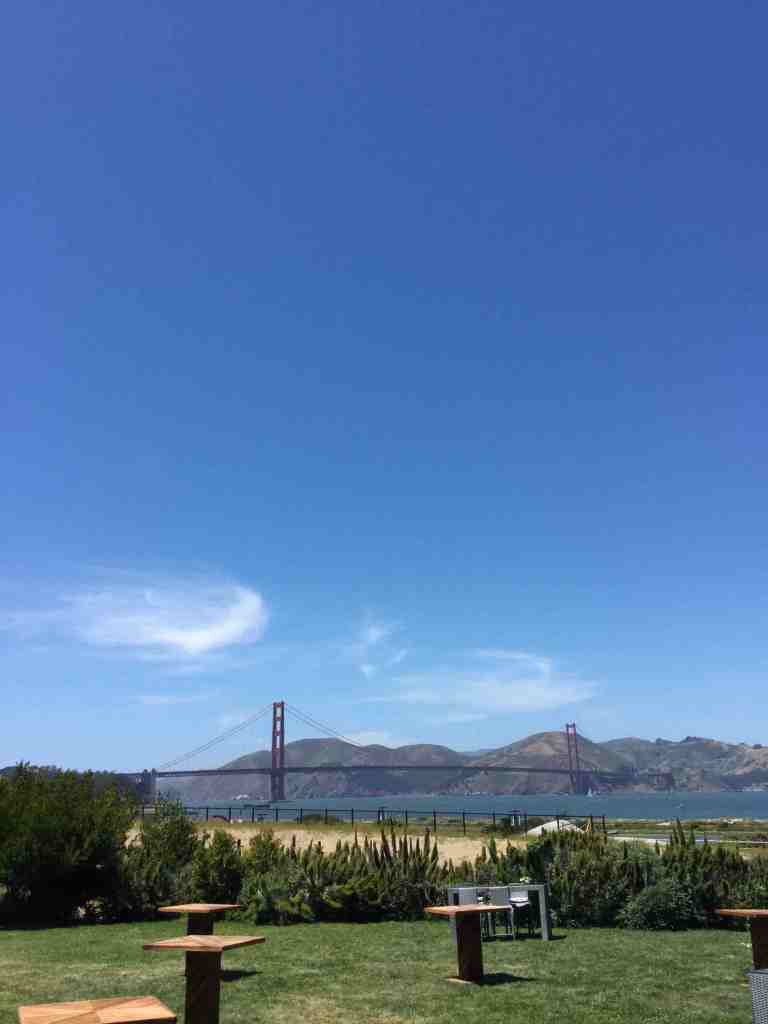
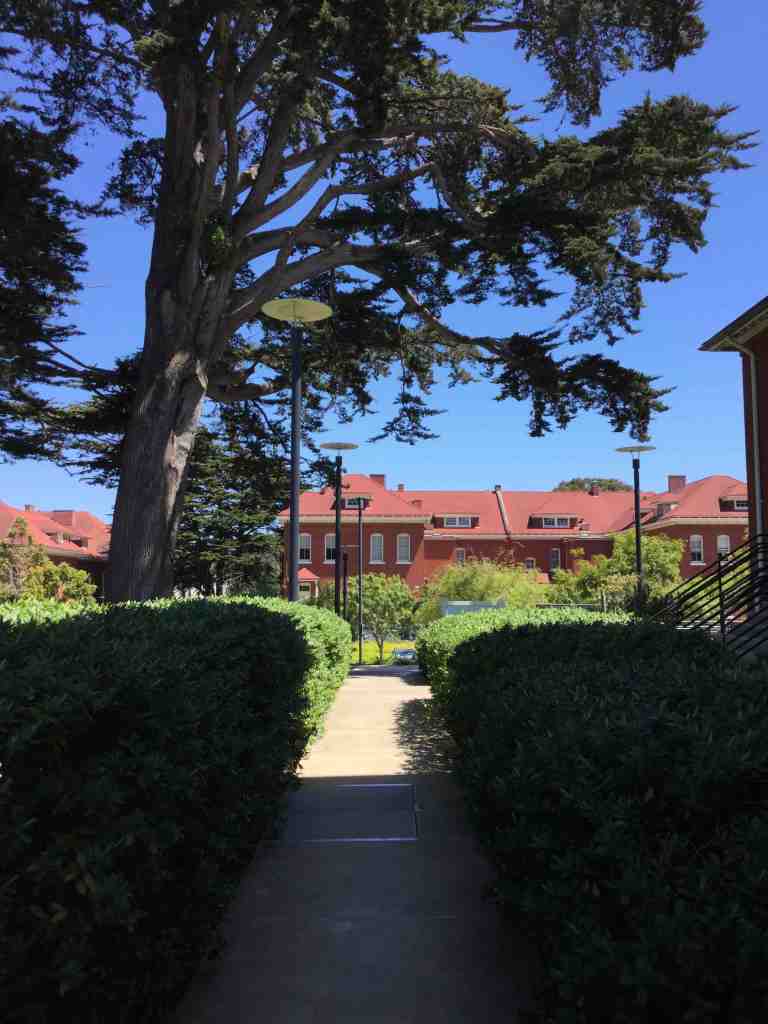

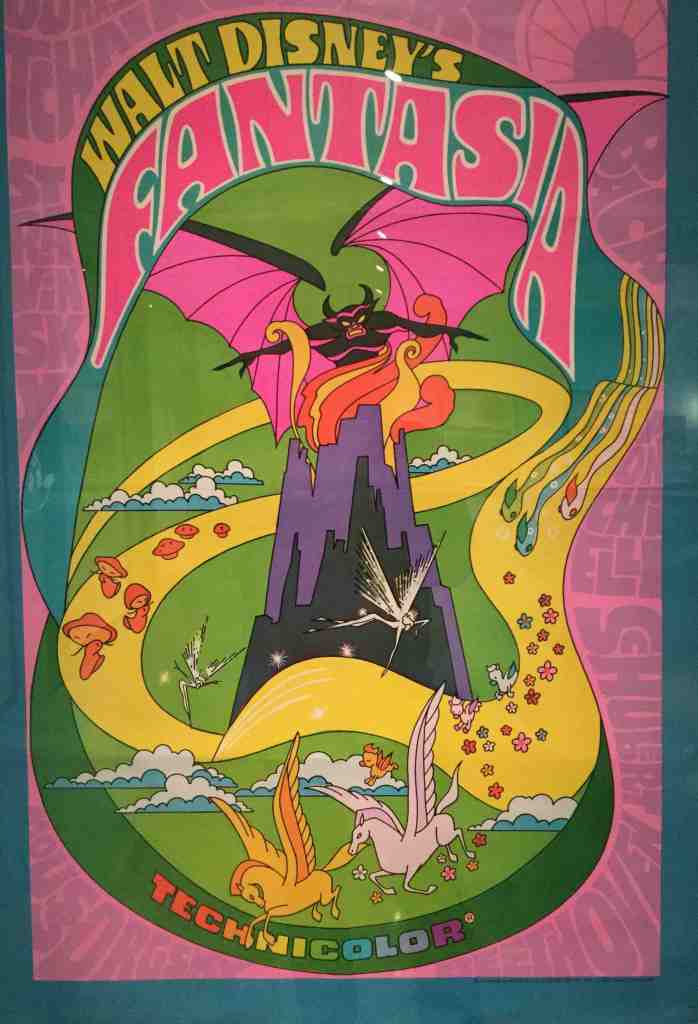
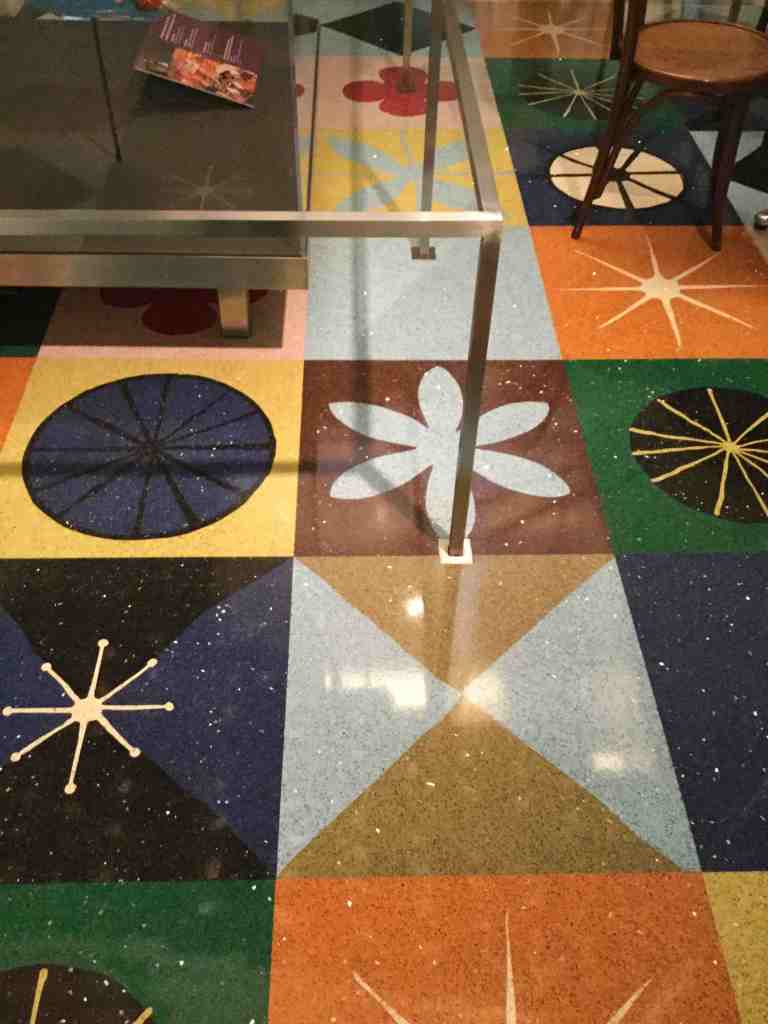
A place visited by the author of this post on the 18 of May 2017, the date of a trip down memory lane where we learned of the death of Chris Cornell, lead guitar and singer of Soundgarden, where a contrasting effect will seize the visitor just after the evocation of the magical stay by a wild ceremony where Black Hole Sun was broadcast in the middle of the green lawns of this ideal stay.
The cherry blossoms, Hanami in Japan, time of remembrance and celebration, celebrate our awareness of impermanence and sometimes the spirit of someone who has passed away, like my father whose death I had just learned of the day before this presentation. The evening of the inauguration was a collision of symbols, and attending this conference was all about exhibiting the spirit of a symbolic father, a refuge of my childhood and its consolations. For a long time, I’ve had dreams, as resident of a residence in the streets of Disneyland, like an extra, one of those « happy actors » living and moving around backstage, in fact in the network of tunnels that Uncle Walt had created so that the extras from the worlds and universes of Disneyland wouldn’t disturb the set by wandering around in the wrong atmosphere, disrupting the staging. It’s a parable of our urban environment, where everyone is measured by how well they fit into a neighbourhood. The studio’s creations and its empire have become so many communications elements with statements heavy with advertising intent, but you may have to forget the critics to appreciate the exhibition, the lawyer’s or judge’s toga will be available in the extras’ cloakroom.
Cheerio.. !
contenu en français : https://styliteeye.com/2024/04/13/lemerveillant/
 styliteeye